How to Ask Customers for a Referral by Email
By Julia Morgan · Published 2026-10-26 · Updated 2026-10-26
Referrals are often described as the best source of new customers, and for many small businesses that is genuinely true. A recommendation from someone the prospect already trusts carries more weight than any advertisement, and referred customers frequently arrive with realistic expectations because they have heard about the experience first-hand. Yet many businesses rarely ask, partly from a sense that asking feels awkward and partly because they assume happy customers will refer people on their own.
Some will, but most satisfied customers simply do not think about it. They are busy, they have no particular person in mind, and even when they do, the effort of explaining what you do and making an introduction is enough to stop them. A referral request by email works best when it removes that effort: it arrives at a moment when the customer is genuinely pleased, suggests a specific kind of person they might know, and gives them wording they can forward in a few seconds.
The request should also stay honest. Referrals rest on trust, and anything that feels like pressure or a transaction dressed up as friendship damages the relationship you are hoping to extend. This guide covers when to ask, how to write the request, sample emails, whether to offer a reward, and how to follow up and thank people properly.
Quick Answer: Ask for a referral by email shortly after a customer has genuinely experienced a good result, name the specific kind of person who would benefit, and include short, forwardable wording so the introduction takes seconds. Keep any reward modest and transparent, follow up once at most, and thank referrers whether or not the introduction converts.
When to Ask for a Referral
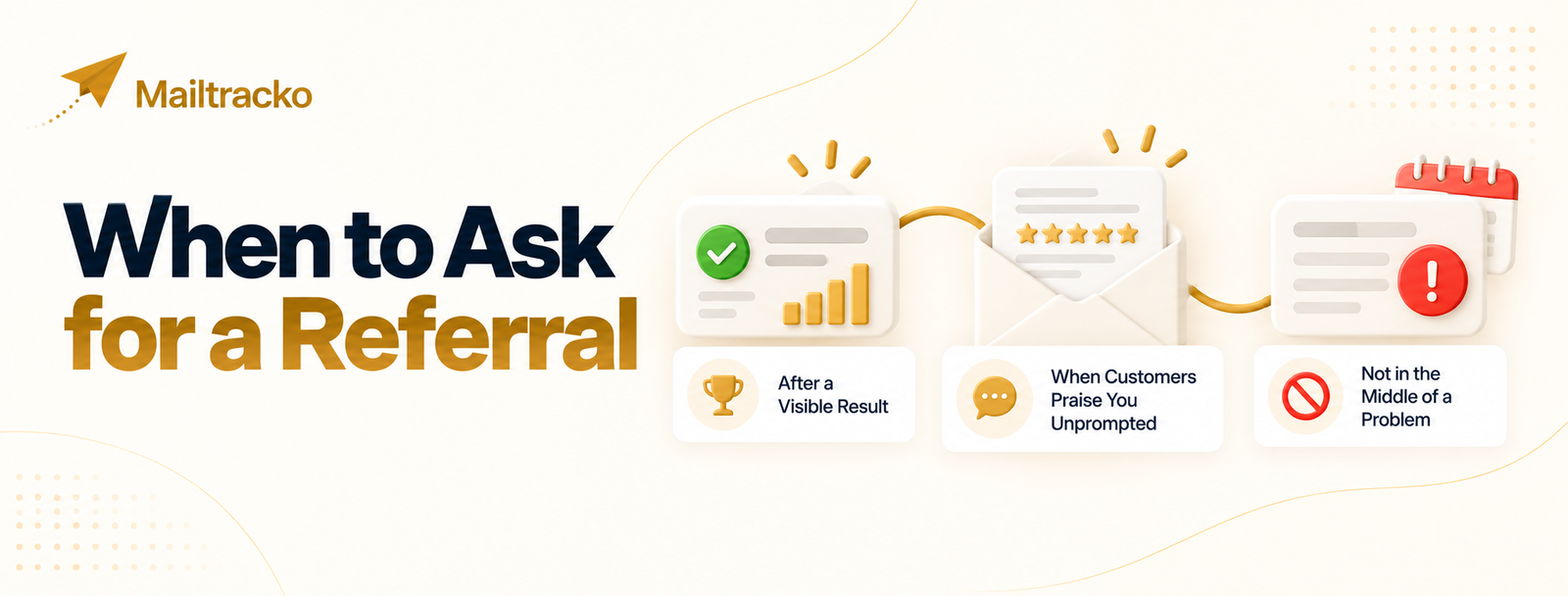
The best moment to ask genuinely follows a clear success the customer has noticed, rather than a date on a calendar.
After a Visible Result
Moments such as a project delivered on time, a problem solved or a customer mentioning a result in their own words are natural points to ask. The customer's satisfaction is genuinely fresh, so the request feels like a continuation of a good conversation rather than an interruption.
When Customers Praise You Unprompted
A thank-you email or a kind comment on a call is a clear signal. Responding warmly and then asking whether they know anyone facing a similar situation is genuinely natural, and many customers are pleased to be asked at that point.
Not in the Middle of a Problem
Asking for a referral while an issue is open, or during a renewal negotiation, tends to feel self-serving. It is genuinely better to wait until the relationship is in a good place, because a badly timed request can make an otherwise loyal customer feel used.
How to Write the Referral Request
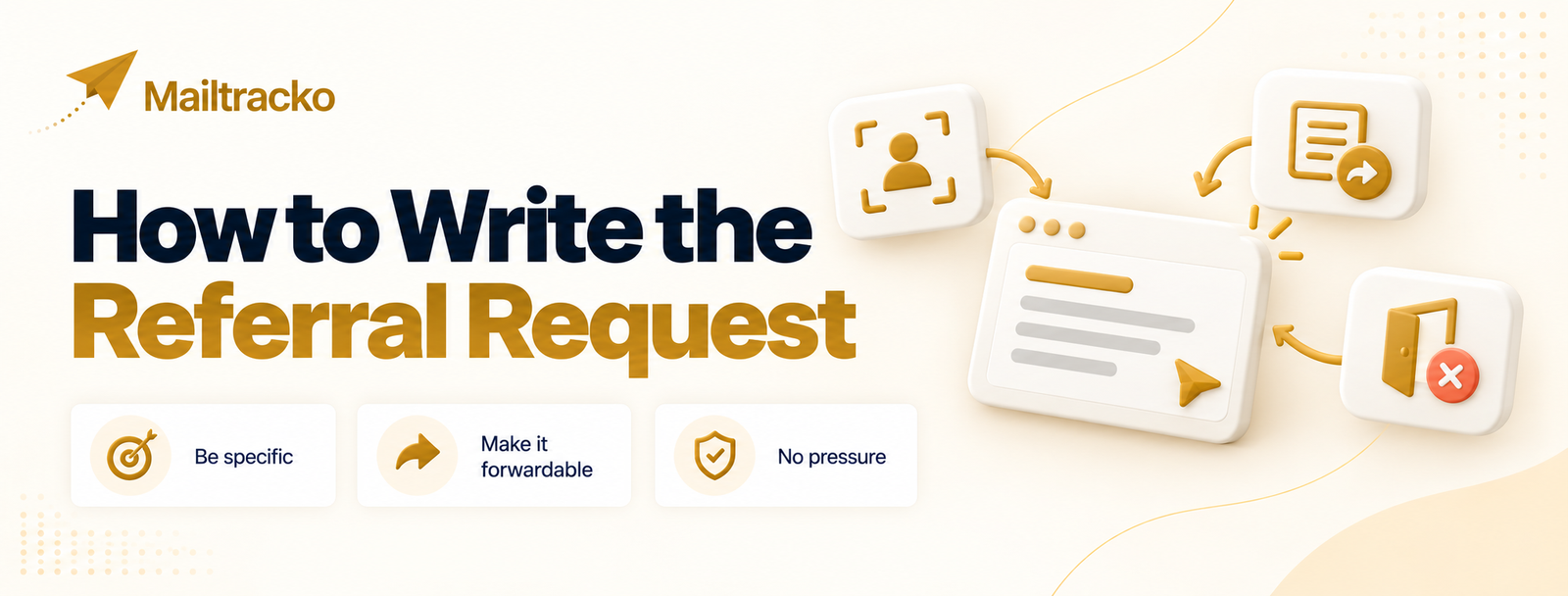
An effective referral request is genuinely short, specific about who you are looking for and makes the next step almost effortless.
Describe the Kind of Person, Not 'Anyone'
Asking whether they know 'anyone who might benefit' is too broad to trigger a name. Describing a situation, such as another practice owner who is struggling with appointment no-shows, genuinely helps the customer think of a specific person.
Offer Forwardable Wording
Including a short paragraph the customer can forward or paste into a message saves them the effort of explaining your business. It should be written in plain, neutral language, because a referrer will genuinely hesitate to forward anything that sounds like an advertisement.
Make Saying No Easy
A line such as 'no worries at all if nobody comes to mind' removes pressure and keeps the relationship comfortable. Customers who feel free to decline are genuinely more likely to remember you later when someone relevant does come along.
Sample Referral Emails
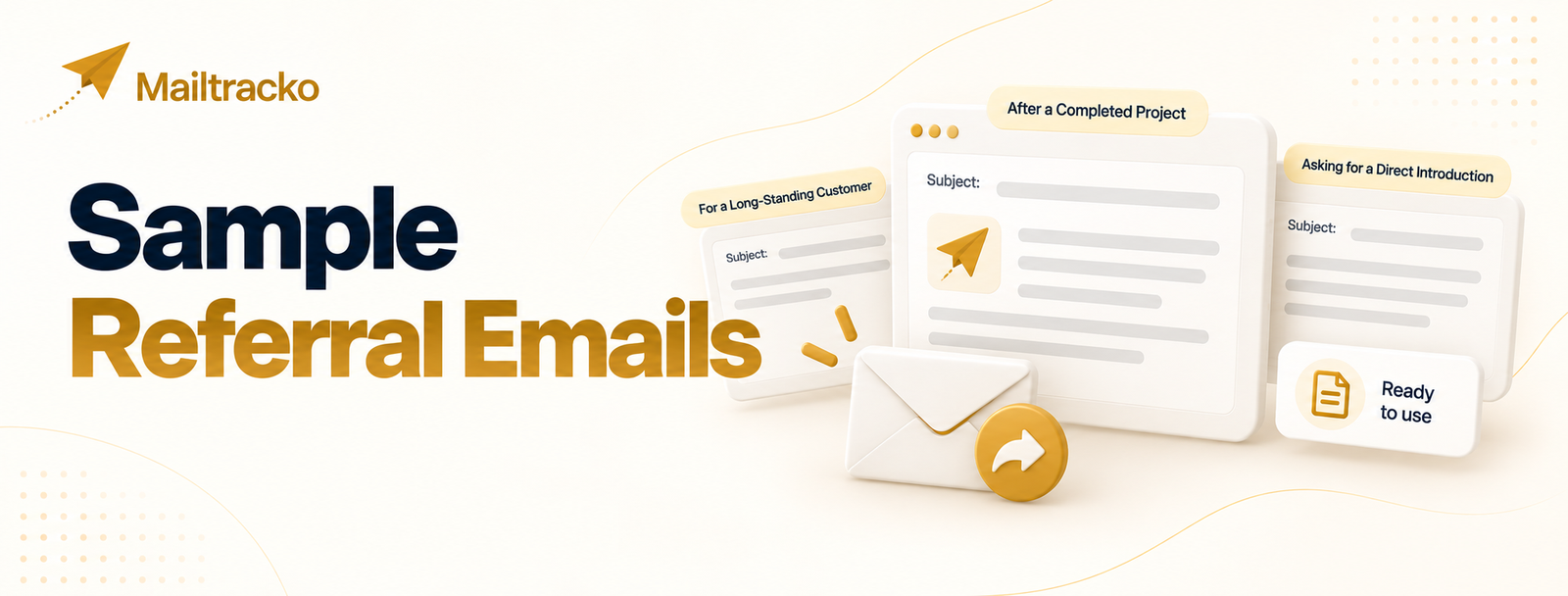
These templates genuinely work as starting points and should be adjusted with specific details from each customer relationship.
After a Completed Project
Subject: Glad the {{project}} landed well
Hi {{First Name}},
Thank you for your kind words about {{specific result}}. If you know another {{role}} dealing with {{similar problem}}, I would be glad to help them too. Here is a short note you could forward if it is useful:
'{{Your name}} helped us with {{result}}. Worth a conversation if you are dealing with {{problem}}.'
No worries at all if nobody comes to mind.
{{Sender Name}}
For a Long-Standing Customer
Subject: A small favour, only if it fits
Hi {{First Name}},
We have worked together for {{time period}}, and I have really valued it. We are taking on a few more clients like {{Company}} this year. If someone in your network is facing {{problem}}, an introduction would mean a great deal.
Thank you either way,
{{Sender Name}}
Asking for a Direct Introduction
Subject: Would an introduction to {{Referral Name}} make sense?
Hi {{First Name}},
You mentioned {{Referral Name}} is working on {{situation}}. If you think it would genuinely help them, would you be comfortable introducing us by email? Happy to send a short blurb you can use.
{{Sender Name}}
Should You Offer a Referral Reward?
Rewards genuinely can encourage referrals, but they work best when modest, transparent and never tied to a referrer promoting you dishonestly.
What Rewards Can and Cannot Do
A thank-you gift, a credit on an account or a donation to a charity can encourage customers who were already willing to refer. Rewards rarely turn indifferent customers into advocates, though, and a large reward can genuinely make a recommendation feel paid for, which weakens it in the recipient's eyes.
Be Transparent About Incentives
If a reward exists, it is sensible for referrers to be open about it with the person they introduce. Rules on endorsements differ by country and industry, and some regulated professions restrict referral payments, so it is genuinely worth checking what applies before launching any scheme.
Consider Rewarding Both Sides
Offering something to the referred person as well as the referrer can make the introduction feel like a favour to a friend rather than a transaction. It genuinely changes the conversation from 'I get something' to 'you get something too', which many customers find more comfortable.
Following Up and Saying Thank You
Following up once is genuinely reasonable, while thanking referrers properly is what encourages them to refer again.
One Gentle Follow-Up at Most
If a customer said they would think about it, a single light reminder a couple of weeks later is fine. Beyond that, persistence turns a favour into pressure, and it is genuinely better to let the request rest and ask again naturally after the next good result.
Thank Referrers Regardless of Outcome
A referral that does not convert still took effort and trust. Thanking the referrer promptly and personally, whatever happens, genuinely signals that you value the gesture rather than only the revenue.
Close the Loop
Letting the referrer know, in general terms, that you spoke to the person they introduced shows the introduction was handled well. It should respect the new contact's privacy, but a short update genuinely reassures the referrer that their reputation was safe with you.
Running Referral Requests at Scale
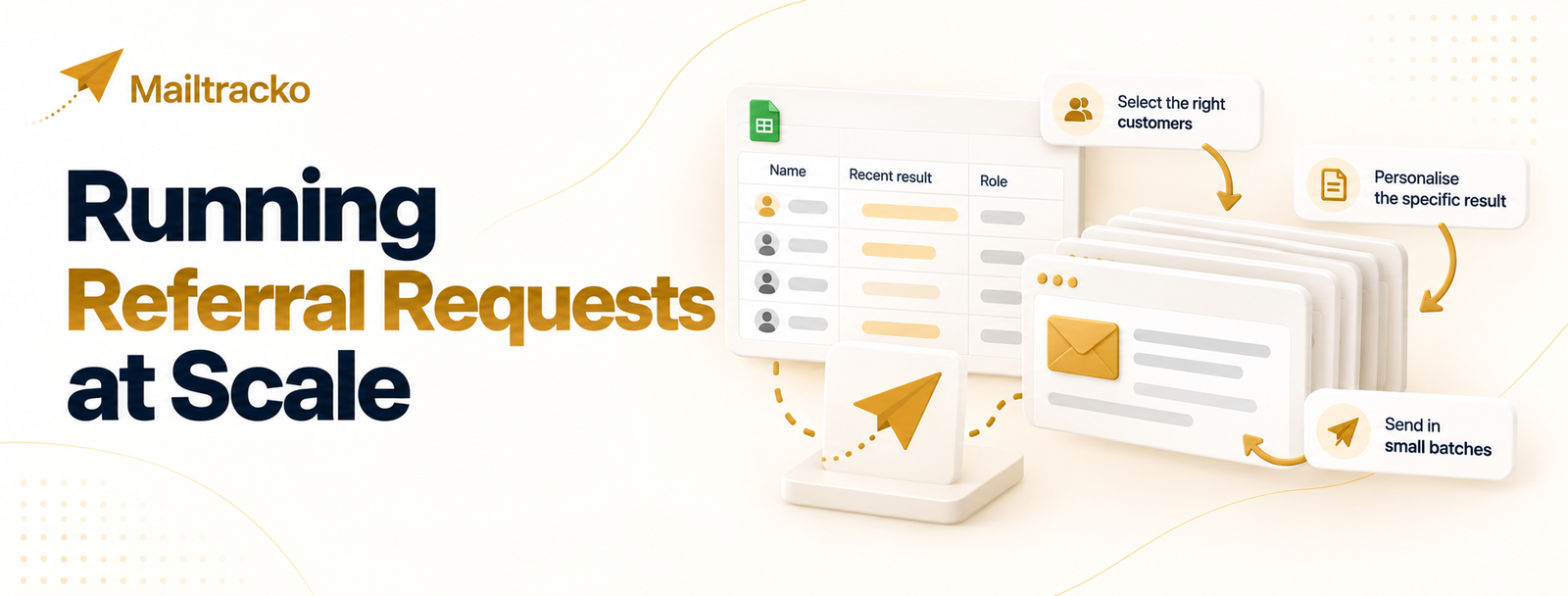
Referral requests can be sent with a mail merge, but they genuinely need more personalisation than most campaigns because they depend on a specific relationship.
Choose the Right Customers
Rather than emailing every customer, filter for those with clear recent successes and positive interactions. Sending a referral request to a customer who has had problems genuinely risks a poor reaction and wastes the goodwill of the customers who would have responded well.
Personalise the Specific Result
A merge sheet with columns such as {{First Name}}, {{specific result}} and {{role}} lets each email reference something real. If you cannot fill the specific result for a customer, it is genuinely a sign that the request would feel generic to them, and they may be better left for a later moment.
Send in Small Batches
Sending referral requests in small batches from a Gmail-based tool such as MailTracko lets you respond personally to replies as they come in. Referral conversations genuinely need prompt, human answers, and a large batch can create more replies than you can handle well.
Mistakes That Make Referral Requests Backfire
Referral requests genuinely backfire when they feel automated, transactional or badly timed, and most of those mistakes are easy to avoid.
Sending the Same Request to Everyone
A single referral email sent to the whole customer list reaches unhappy customers alongside delighted ones, and it reads as a campaign rather than a personal ask. It is genuinely better to send fewer, well-timed requests than to maximise volume, because the goodwill involved is easily spent.
Leading With the Reward
Opening with what the customer will earn frames the referral as a transaction before the relationship has been mentioned. Rewards genuinely work better as a quiet thank-you mentioned after the request, so the customer's first thought is about who might benefit rather than what they might get.
Asking Too Soon After Signing Up
Asking new customers for referrals before they have experienced any result puts them in the position of recommending something they cannot yet vouch for. Waiting until they have seen the value genuinely produces more confident, and therefore more persuasive, introductions.