Pitching Journalists by Email Without Annoying Them
By Julia Morgan · Published 2026-10-30 · Updated 2026-10-09
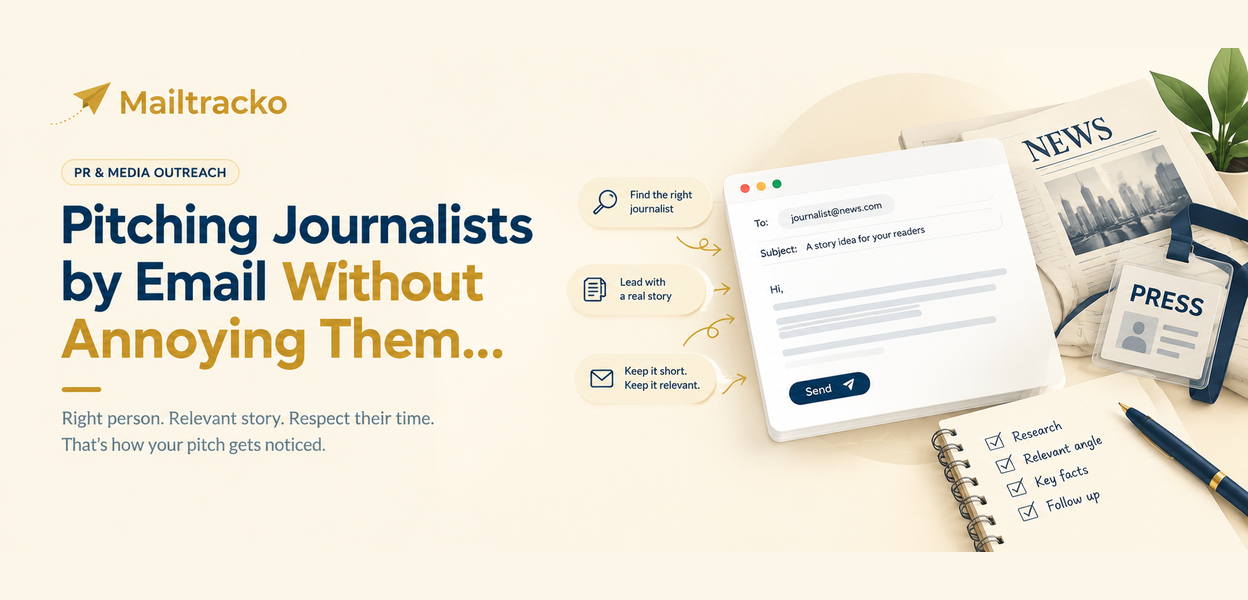
Journalists are among the most heavily emailed people in any industry, and a large share of what arrives in their inboxes has nothing to do with what they cover. Product announcements go to reporters who write about politics, funding news goes to people who cover consumer health, and the same generic press release is sent to thousands of addresses bought from a media database. It is genuinely no surprise that many journalists describe pitch emails as one of the least welcome parts of their job.
That frustration creates an opportunity for anyone willing to pitch carefully. A short, relevant email to the right person, with a genuine story and the facts they need, stands out precisely because so few pitches meet that standard. Journalists still need stories, sources and expertise, and many of them do find stories in their inboxes; they simply have very little patience for pitches that waste their time.
This is one area where mass merging is genuinely the wrong approach. Mail merge can help with the logistics of sending individual pitches, but the pitch itself should be written for one reporter at a time. This guide covers finding the right journalist, what makes a pitch a story, writing the email, exclusives and embargoes, follow-up etiquette and what to do when a journalist replies.
Quick Answer: Pitch journalists by researching what each reporter actually covers, sending a short email that leads with a genuine story rather than your company, and including the key facts and access you can offer. Never offer the same exclusive to several outlets, respect embargoes, and follow up once at most.
Finding the Right Journalist

The single biggest factor in a pitch's success is genuinely whether it reaches someone who covers that exact kind of story.
Read What They Have Written Recently
A journalist's recent articles show their current beat far more accurately than a job title or a media database. Reading a few pieces before pitching genuinely prevents the most common mistake, which is sending a relevant story to someone who has moved on to a different subject.
Pitch the Reporter, Not the Newsroom
Generic newsroom addresses receive enormous volumes and are rarely read closely. A reporter who covers your topic is genuinely far more likely to engage, and a pitch that references their past work shows you respect their focus.
Keep the List Small
A handful of well-chosen journalists, each receiving a tailored pitch, usually produces better coverage than a large list receiving a generic release. Mass distribution genuinely risks being seen as spam by the very people you want to impress.
What Makes a Pitch a Story

Journalists genuinely want stories their readers will care about, and a company announcement is only a story if it connects to something larger.
News, Trend or Human Angle
Pitches that work usually offer something new, evidence of a trend, or a person with an interesting experience. A product launch on its own is genuinely rarely news; what it reveals about a wider problem or change often is.
Evidence and Access
Original data, a customer willing to speak or an expert available for interview makes a story easier to write. Journalists genuinely value pitches that come with the ingredients of an article rather than only a claim.
Timeliness
Stories connected to current events, seasonal patterns or recent developments in the reporter's beat are easier to publish. Pitching something timely genuinely improves its chance of being picked up, while tenuous links to trending topics tend to look opportunistic.
Writing the Pitch Email
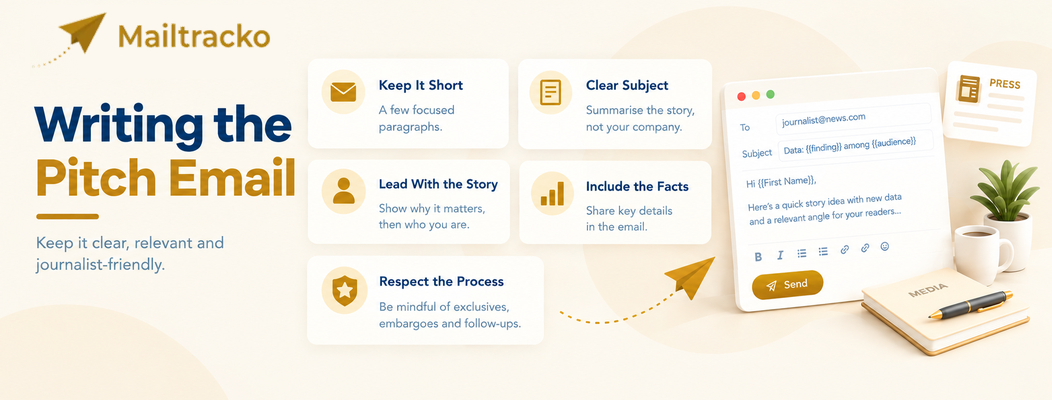
A good pitch genuinely fits in a few short paragraphs, leads with the story and makes it easy for the journalist to say yes.
A Subject Line That Summarises the Story
The subject should describe the story in plain terms, not promote the company. Journalists scan subject lines quickly, and a clear summary genuinely earns more opens than clever wording or capital letters.
Lead With the Story, Then the Source
The opening line should state the story and why it matters to the journalist's readers, followed by who you are and why you are credible. Company background genuinely belongs at the end, if at all.
Include the Facts in the Body
Put key facts, figures and availability directly in the email rather than relying on attachments. Many journalists genuinely avoid opening attachments from unknown senders, and a pitch they can judge without clicking is easier to act on.
Sample Pitch
Subject: Data: {{finding}} among {{audience}}
Hi {{First Name}},
I read your piece on {{recent article}}. We have new data from {{source}} showing {{finding}}, which seems to extend the point you made about {{detail}}. {{Expert name}} can talk through the numbers this week, and a customer affected by it is willing to be interviewed.
Would that be useful for anything you are working on?
{{Sender Name}}
Exclusives and Embargoes
Exclusives and embargoes are genuinely matters of trust, and breaking either can end a relationship with a journalist permanently.
Offer an Exclusive to One Outlet at a Time
An exclusive means one outlet gets the story first. Offering the same exclusive to several outlets at once and giving it to whoever replies first is genuinely one of the fastest ways to lose credibility with journalists, who talk to one another more than people expect.
Agree Embargoes Before Sharing Details
An embargo only exists if the journalist has agreed to it before receiving the information. Sending embargoed material without prior agreement genuinely places the journalist under no obligation, and it can be seen as presumptuous.
Keep Your Side of the Arrangement
If an outlet has an exclusive, do not share the story elsewhere until it is published or the agreed time has passed. Honouring these arrangements genuinely builds the kind of reputation that makes journalists open future pitches.
Following Up Without Being a Nuisance
One polite follow-up is genuinely acceptable to most journalists, while repeated chasing is one of their most common complaints.
One Follow-Up, With Something New
A single follow-up a few days later, ideally adding a new fact or angle, is generally tolerated. Asking whether they received the previous email genuinely adds nothing and is widely disliked.
Do Not Call Unless Invited
Phoning a journalist to check whether they saw a pitch is generally unwelcome unless you already have a relationship. Email genuinely respects their time and lets them respond when it suits their deadlines.
Take Silence Gracefully
No reply usually means the story does not fit right now. It is genuinely better to note the journalist's interests for a future, more suitable pitch than to keep pushing a story they have passed on.
When a Journalist Replies
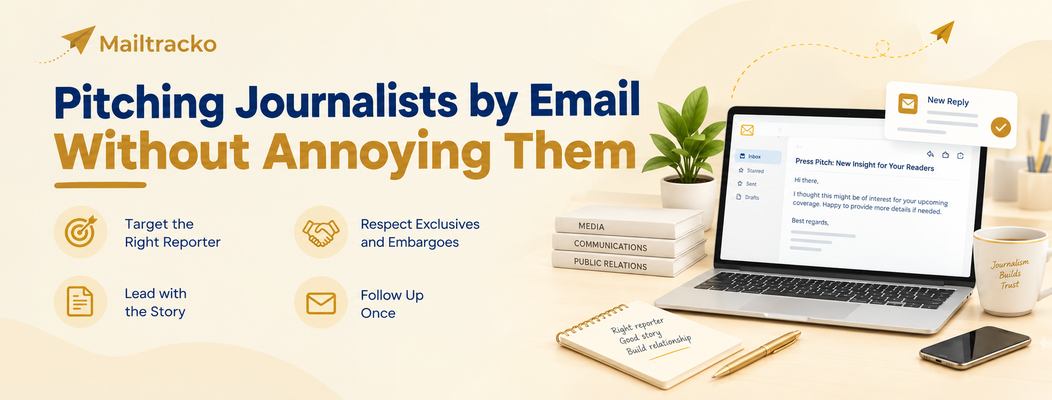
Responding quickly and reliably to a journalist's reply genuinely matters more than the original pitch, because deadlines are real.
Respond Fast
Journalists often work to tight deadlines, and a reply within hours can decide whether your story or source is used. Having spokespeople, data and images ready before pitching genuinely makes quick responses possible.
Be Accurate and Available
Provide exactly what was asked, check every fact and make sure interviewees are available when promised. Reliability genuinely turns a single piece of coverage into an ongoing relationship.
Respect Editorial Independence
Journalists decide what to write and how to frame it. Asking to approve the article or complaining about the angle genuinely damages relationships, though correcting a clear factual error politely is reasonable.
Building Lasting Relationships With Journalists
The most effective media relations are genuinely built over time, through being useful to journalists even when you have nothing to promote.
Offer Expertise Without an Agenda
Letting relevant journalists know you are available to comment on your area of expertise, without attaching a pitch, can make you a trusted source. Journalists genuinely value people who help them understand a subject, and those relationships often lead to coverage later.
Share Useful Tips and Context
Occasionally pointing a journalist towards a trend, dataset or story that does not involve your company builds goodwill. It genuinely shows you understand their beat and respect their work.
Keep Notes on Each Relationship
A simple record of what each journalist covers, what they have written and how they prefer to be contacted keeps future pitches relevant. It genuinely prevents repeated mistakes, such as pitching someone a story type they have already declined.
Be Honest When You Cannot Help
If a journalist asks for something you cannot provide, saying so quickly lets them find another source in time. That honesty genuinely builds more trust than a delayed or unhelpful response.